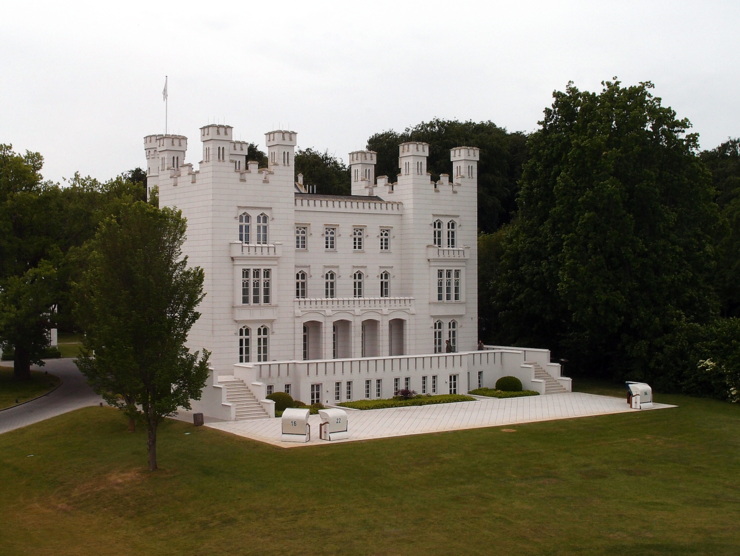
Hohenzollern Castle in Heiligendamm is more a guest residence than a castle. Grand Duke Paul Friedrich commissioned the building to accommodate his noble guests. It saw its completion in the 1840s.
Browse through your travel destination!
Hohenzollern Castle in Heiligendamm is more a guest residence than a castle. Grand Duke Paul Friedrich commissioned the building to accommodate his noble guests. It saw its completion in the 1840s.
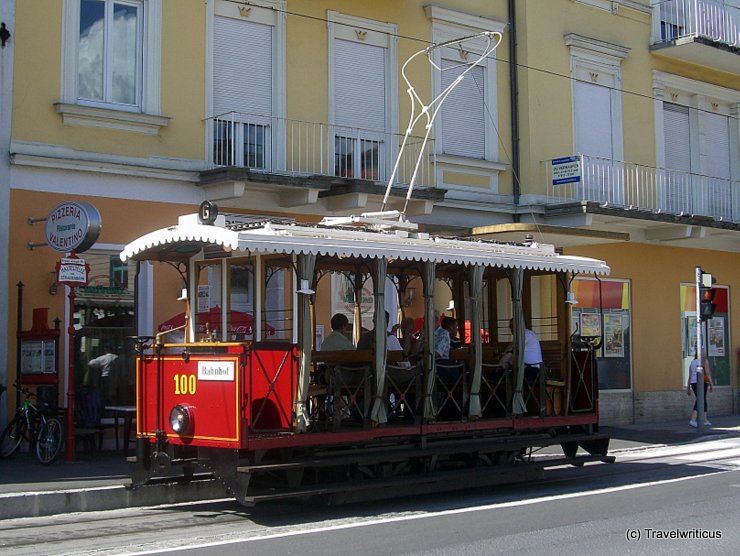
There is still a tramway running in the Austrian city of Gmunden. One of the tramcars is even moren than 100 years old. On several days a year this GM 100 dating back to 1898 is on your service.
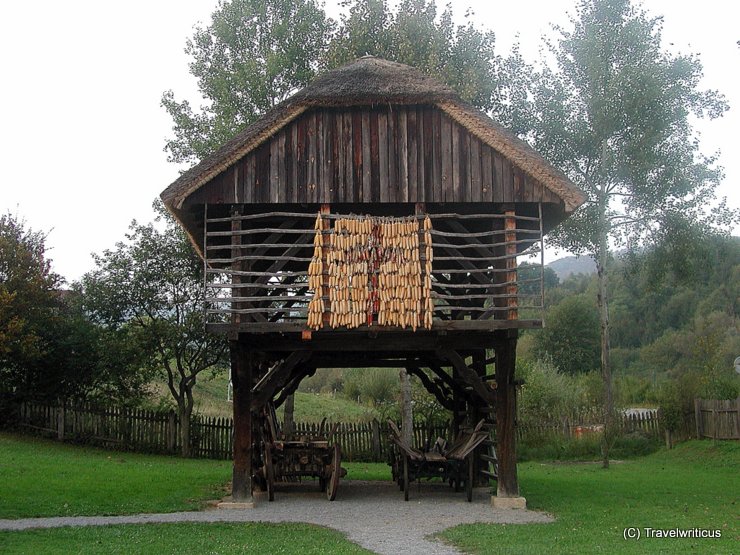
This traditional Slovenian hayrack (Kozolec) is an exhibit at the open-air museum in Rogatec. For fans of these sorts of hayracks, there is also a specialized museum in Šentrupert, generally known as the “Land of Hayracks”.
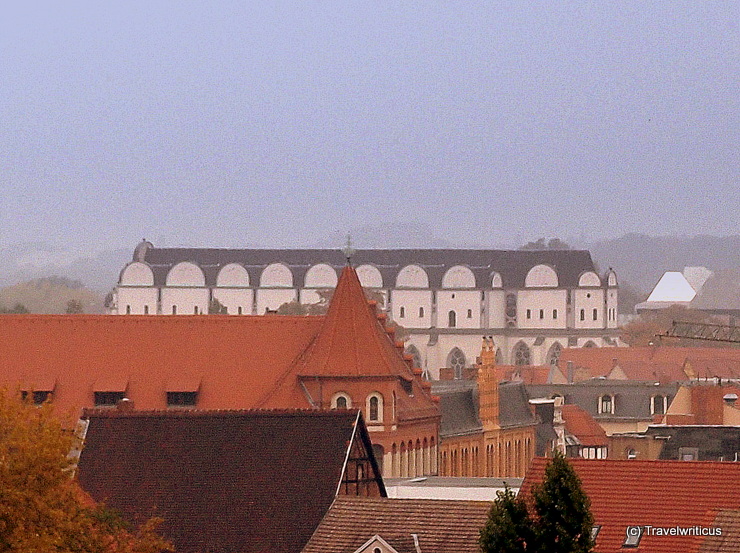
The church was constructed by the mendicant order of the Franciscans. That explains why there is no tower. Even though it isn’t a real cathedral, the people of Halle still call it a Dom (Cathedral).
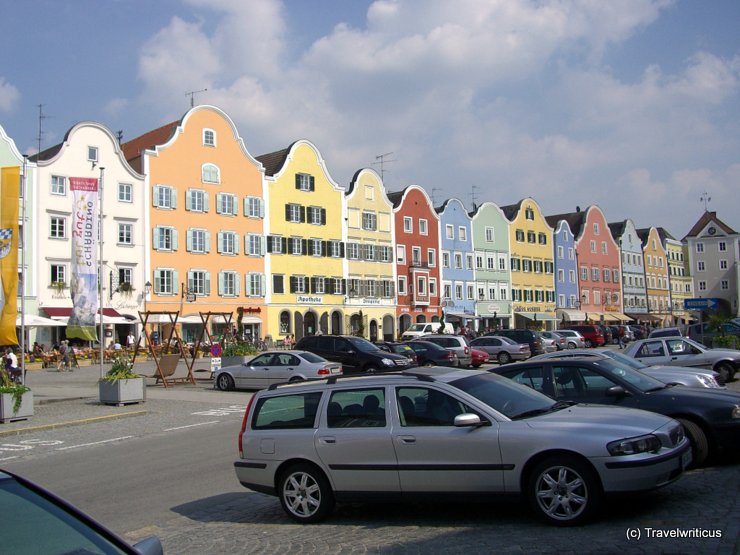
While walking along the town square of Schärding, I came across the “Silberzeile”. This attraction is a row of coloured houses in the style of the late Baroque period. In earlier times, each colour symbolised a particular guild.
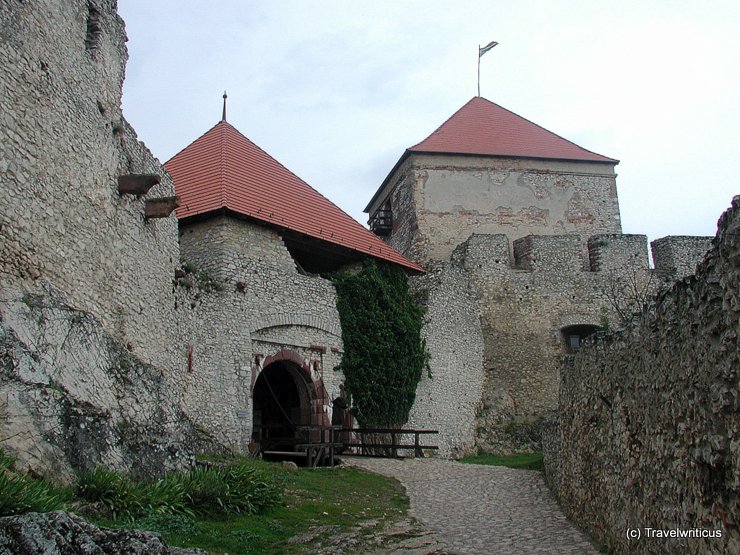
Sümeg Castle (Sümeg Vár) is considered one of the most well-preserved Hungarian fortresses. It was built in the mid or late 13th century by Béla IV of Hungary. Today, the castle on top of a hill high over Sümeg is a venue for tournaments and cultural events.
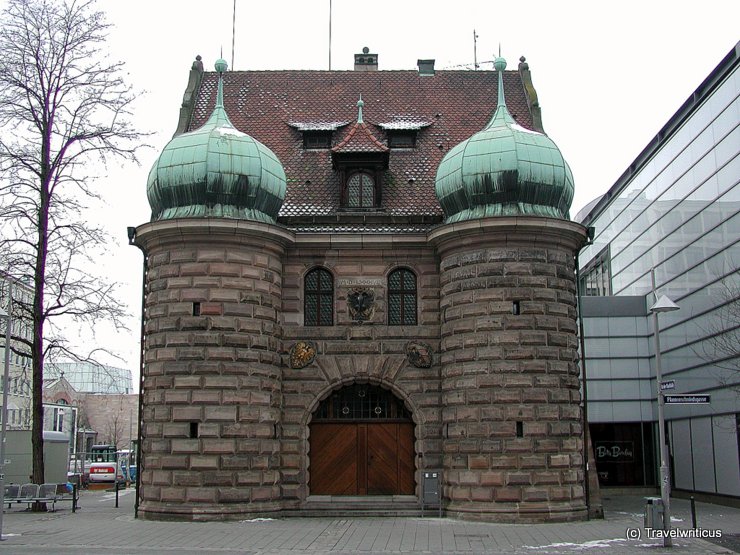
The former armoury (Zeughaus) of Nuremberg saw its construction by Hans Dietmayer in 1588/89. After bomb damage during World War II, a reconstruction finished in 1954/55.
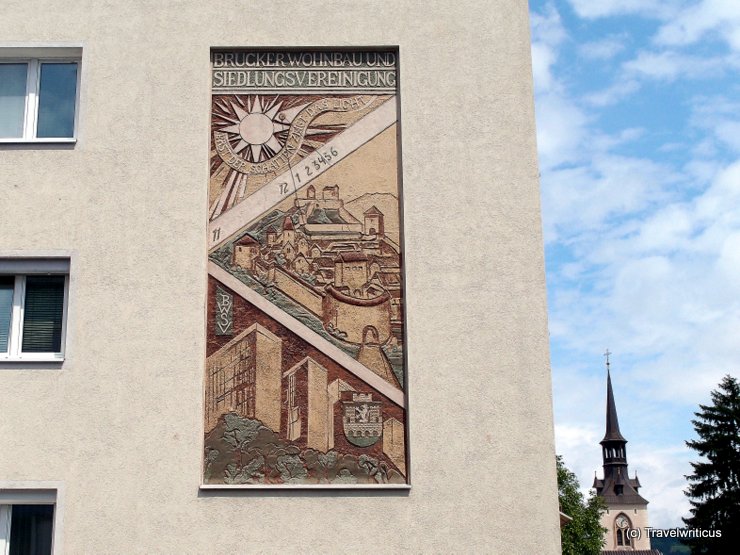
This sundial shows two depictions of Bruck an der Mur, a city in the Austrian state of Styria. In the upper part of the mural, you see Landskron Castle and the former town walls.
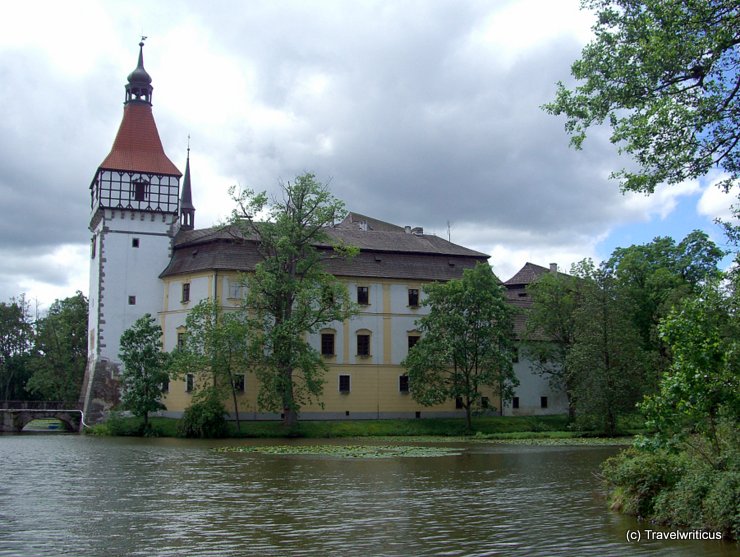
Blatná Castle (Zámek Blatná) dates back to 1235. The building with a moat stands next to an English landscape park. Visitors find salons in the styles of Oriental, Rococo and Empire. One room displays the connection between a former castle owner and Ethiopia.
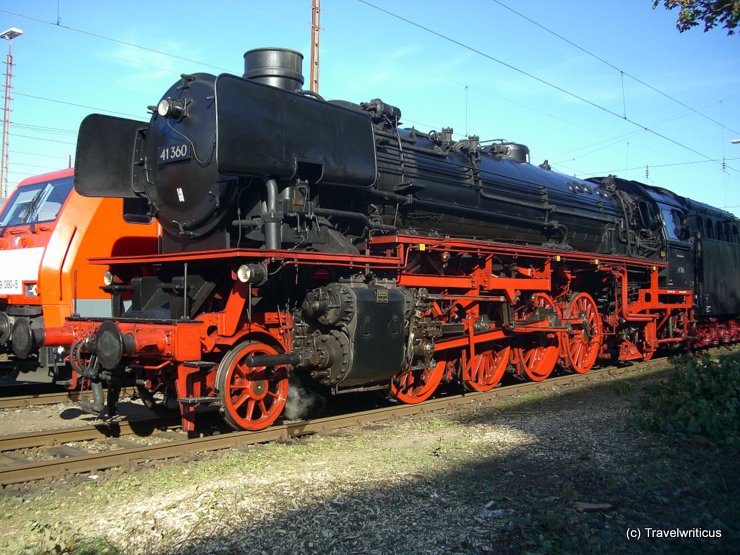
On a historic locomotives parade in Fürth, this engine of the German Class 41 was one of the stars. Despite being built in 1940, the freight locomotive 41 360 seemed particularly juvenile and elegant.
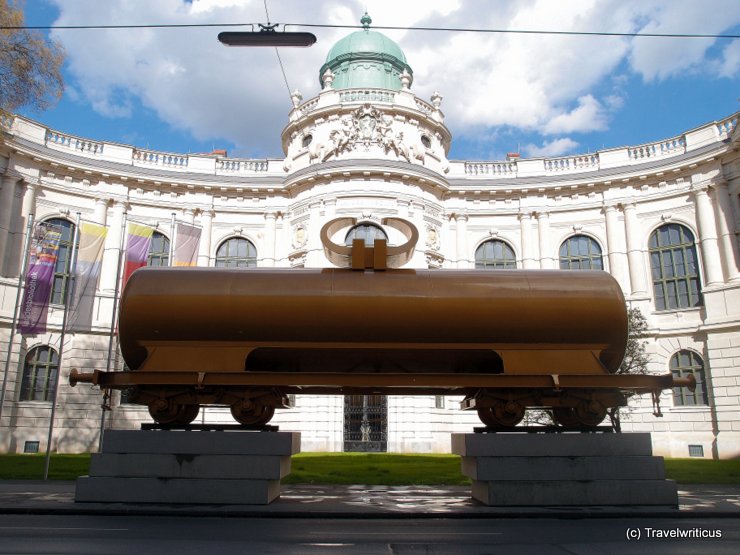
This artwork by Hans Hollein stood in front of the Neue Galerie in Graz for several weeks. The former tank wagon for petroleum is named “The Golden Calf”. I guess this refers to the golden calf in the bible and the importance of oil for mankind.
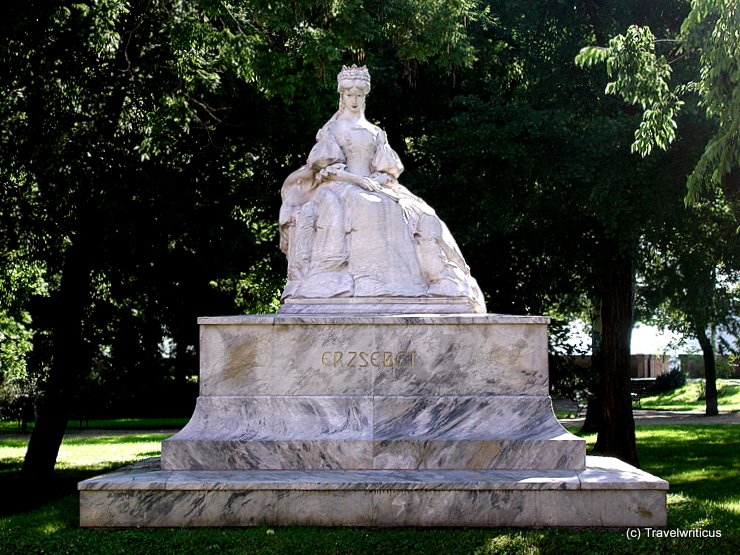
Visitors of Szeged still see a monument to Elisabeth of Austria, who also was Queen of Hungary. On the monument base, you find the lettering Erzsébet. That was her Hungarian name. People of today mainly know her by the nickname Sisi or Sissi.