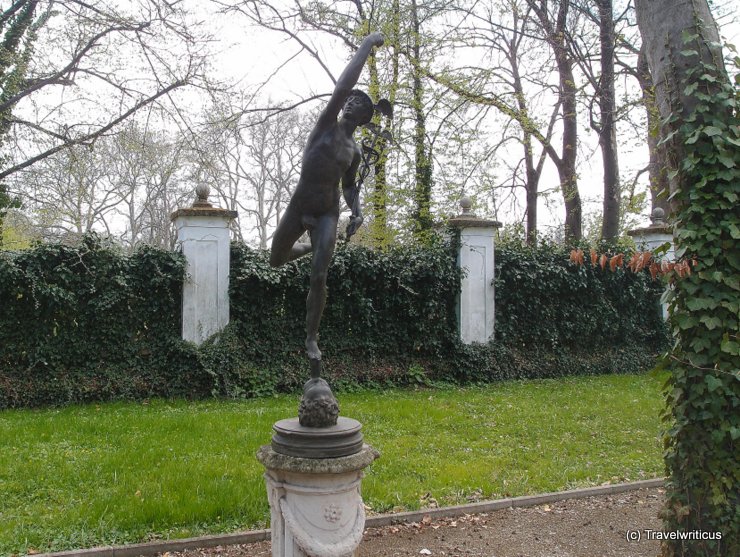
This statue of God Mercury stands in the Planetary Garden of Eggenberg Castle (Schloss Eggenberg) in Graz. The garden represents the planets with different plants and sculptures.
Browse through your travel destination!
This statue of God Mercury stands in the Planetary Garden of Eggenberg Castle (Schloss Eggenberg) in Graz. The garden represents the planets with different plants and sculptures.
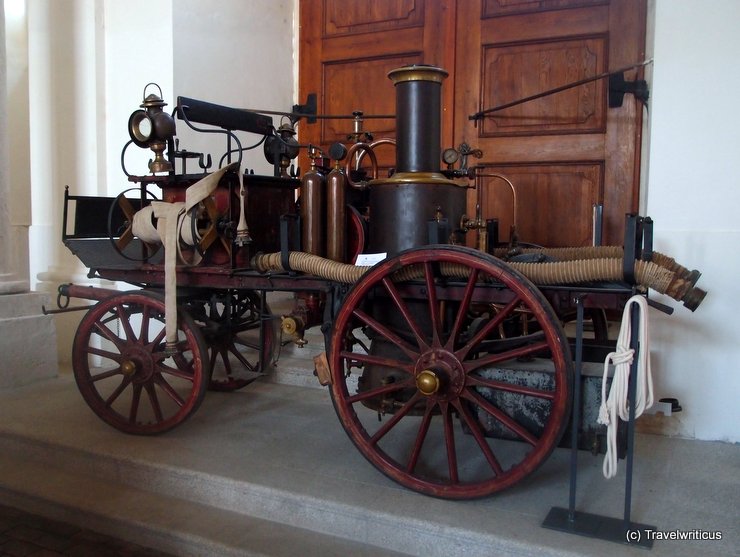
At Stift Geras (Geras Abbey), I saw an exhibition about local fire brigades. One exhibit was this steam-powered fire pump dating back to 1911. The pump served in the fire brigade of the Austrian city of Horn.
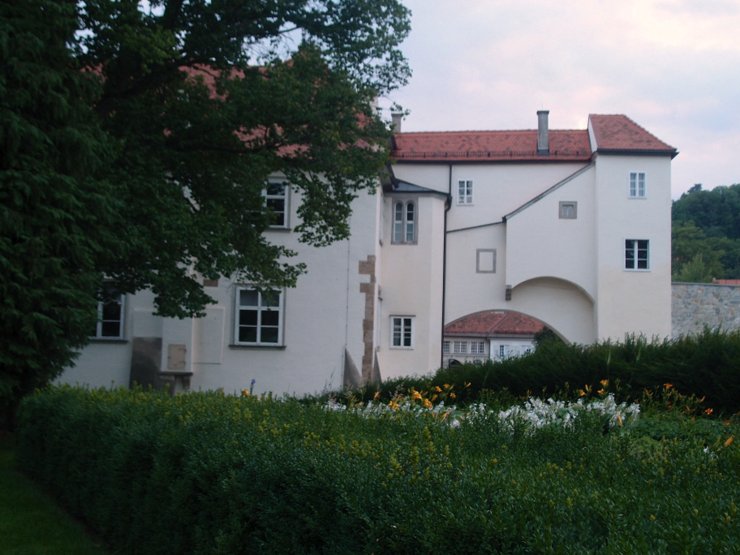
The construction of Graz Castle (Grazer Burg) started in 1438 by Duke Friedrich V. The pic was taken from the Burggarten, a hidden park just outside the old walls of Graz. The castle offers several intriguing elements, e.g. engravings showing the motto A.E.I.O.U.
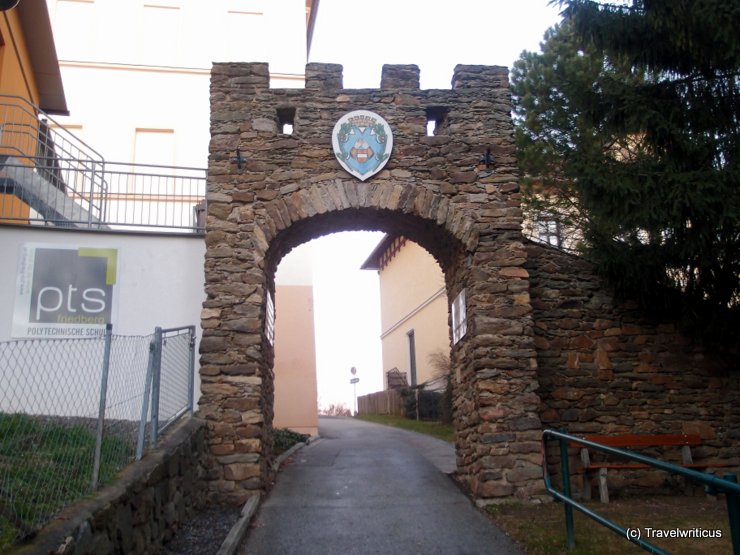
The walls of Friedberg were built with money from the ransom for Richard I of England (Richard the Lionheart). The gate depicted above is a reconstruction. It is known as Ungartor.
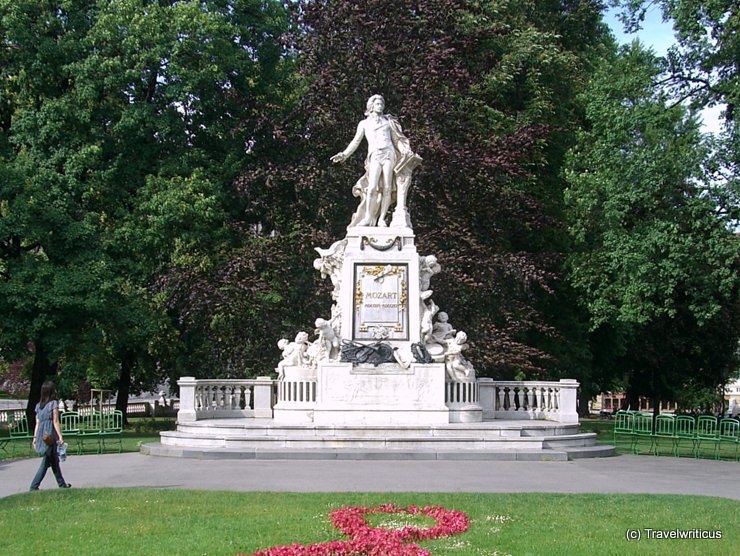
This monument to Wolfgang Amadeus Mozart stands in the Burggarten in Vienna. The Burggarten is a public park at the rear of the New Hofburg (Neue Hofburg). The monument, made of Laas marble, was created by Viktor Oskar Tilgner.
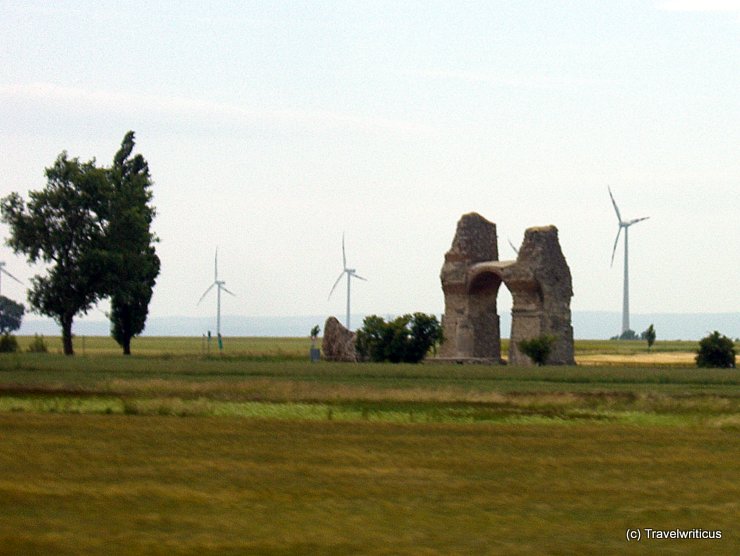
On a train journey from Vienna to Carntuntum-Petronell, travellers have this photo of an ancient Roman monument. The structure is part of the archaeology park Carnuntum. Local people call this monument Heidentor (Pagans’ Gate).
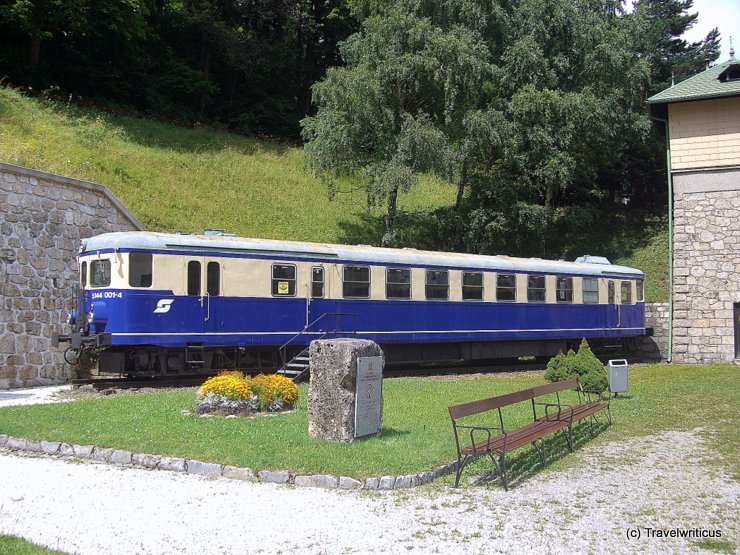
This diesel rail car of the type ÖBB 5144 stands next to the railway station building of Semmering. The vehicle saw its first operation in 1951. Semmering station is part of the World Heritage Site Semmering Railway.
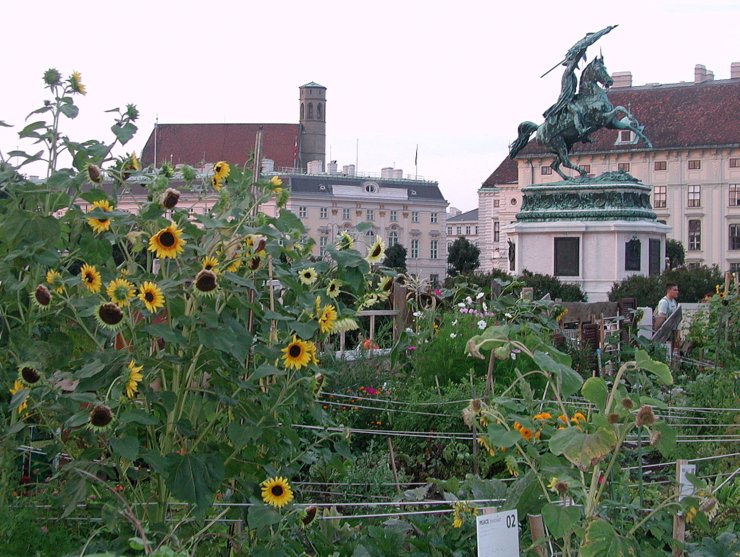
In 2005, many events marked the 60th anniversary of the end of WWII. For example, the Heldenplatz – a central square in Vienna – was covered with vegetables and sunflowers. This reminded us that the citizens used every free space to produce food around 1945.
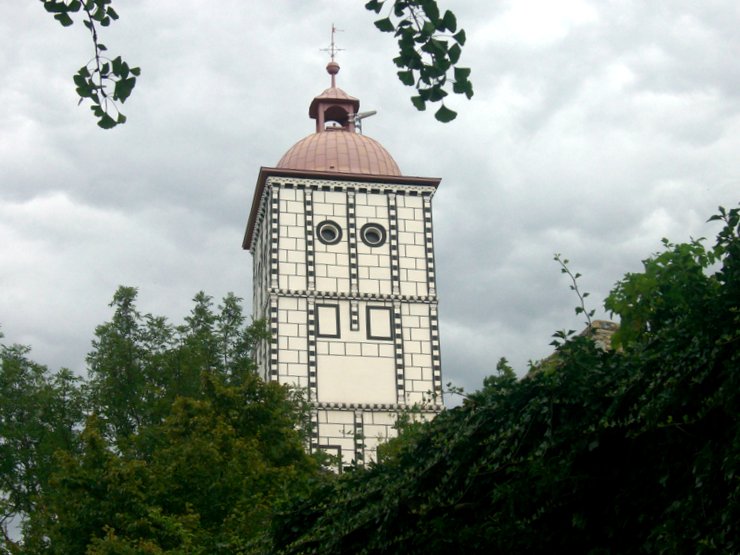
While approaching Schallaburg Castle on foot, you first see this tower. It gives an impression of the beauty of this Renaissance palace in the Austrian state of Lower Austria (Niederösterreich). Today, the castle is known for remarkable exhibitions.
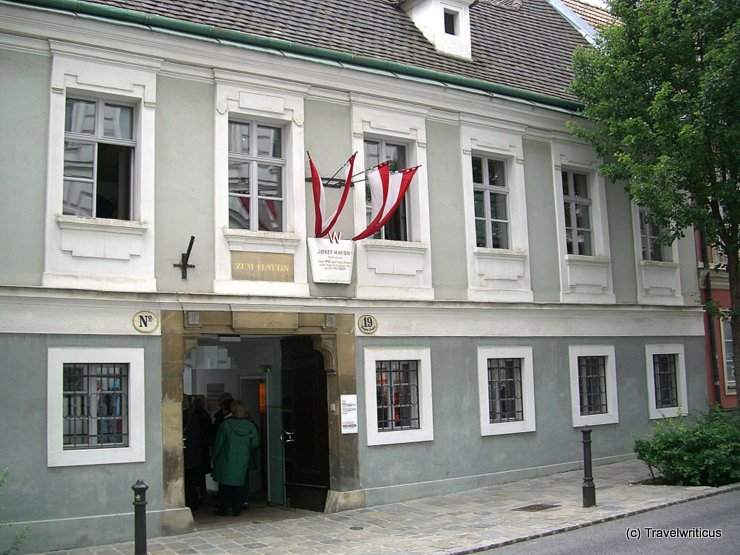
The Haydnhaus in Vienna is where the Austrian composer Joseph Haydn spent his last years. The museum inside explains how Haydn lived in this period and shows several pieces of his former household. A reconstructed garden completes the offer.
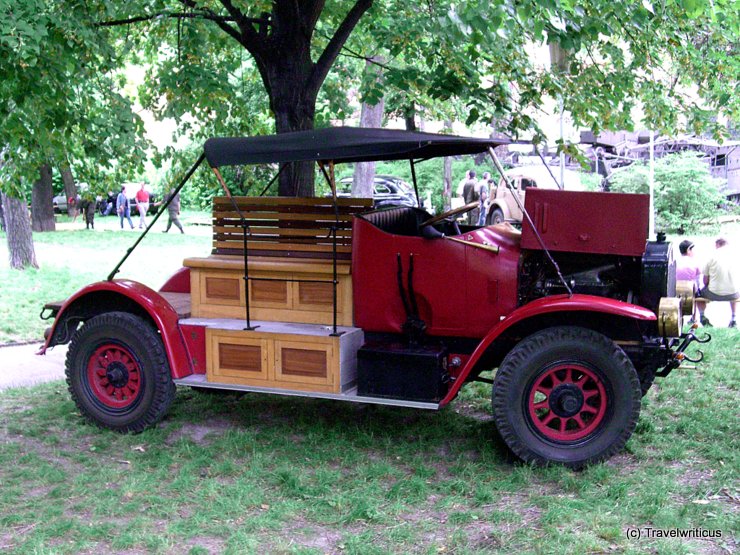
This pic shows an automobile built by the Czech company Praga in 1914. The truck was an exhibit at a classic car festival of the Museum of Military History in Vienna. It is considered to carry a floodlight of the Austro-Hungarian army during World War I.
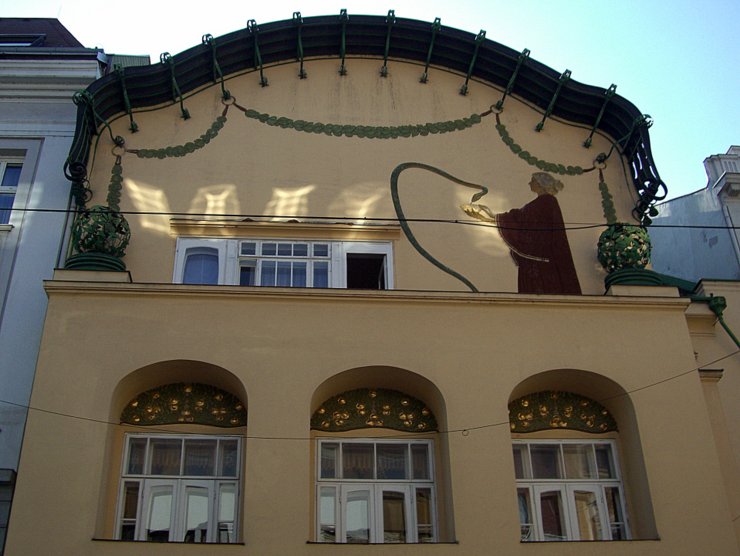
Near Sankt Pölten Central Station, the Stöhr Haus impresses with a fine Art-Nouveau decoration. It is also known as Olbrich House, named after its architect Joseph Maria Olbrich (1867-1908).