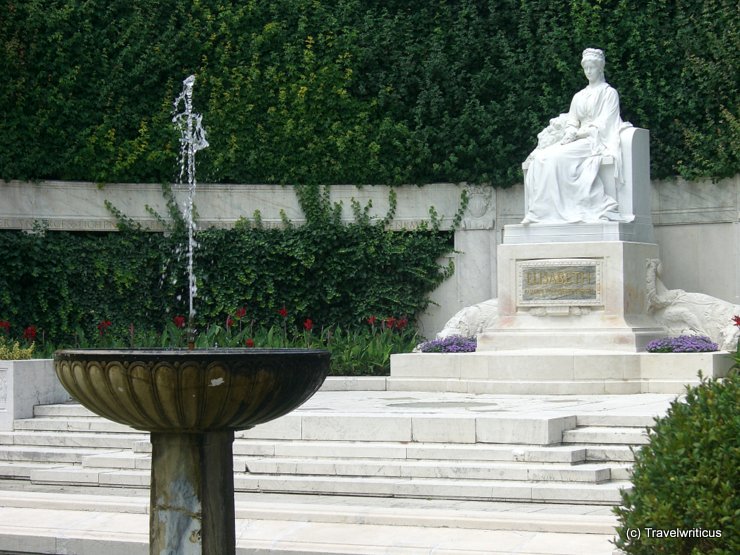
This monument to Empress Elisabeth “Sisi” of Austria stands in the Volksgarten in the 1st district of Vienna. Friedrich Ohmann designed the monument. Hans Bitterlich created the statue.
Browse through your travel destination!
This monument to Empress Elisabeth “Sisi” of Austria stands in the Volksgarten in the 1st district of Vienna. Friedrich Ohmann designed the monument. Hans Bitterlich created the statue.
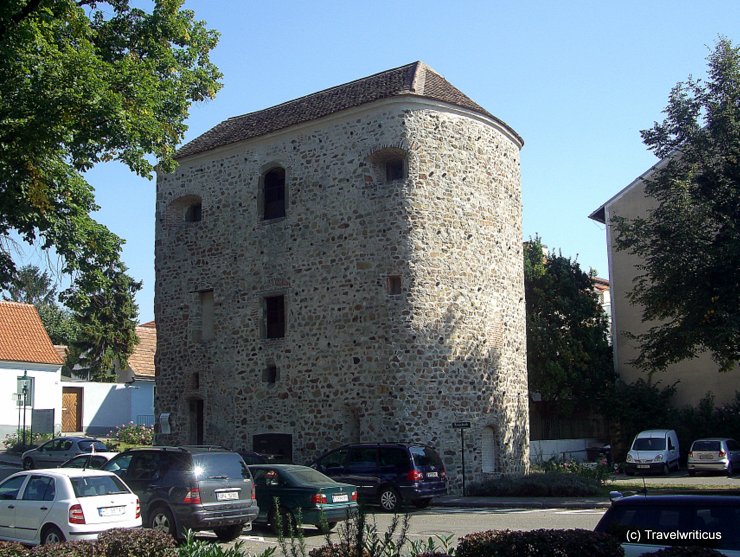
The Horseshoe Tower (Hufeisenturm) in Tulln remains from the ancient military camp Comagena. The Roman name originated from an equestrian unit descending from the region of Commagena.
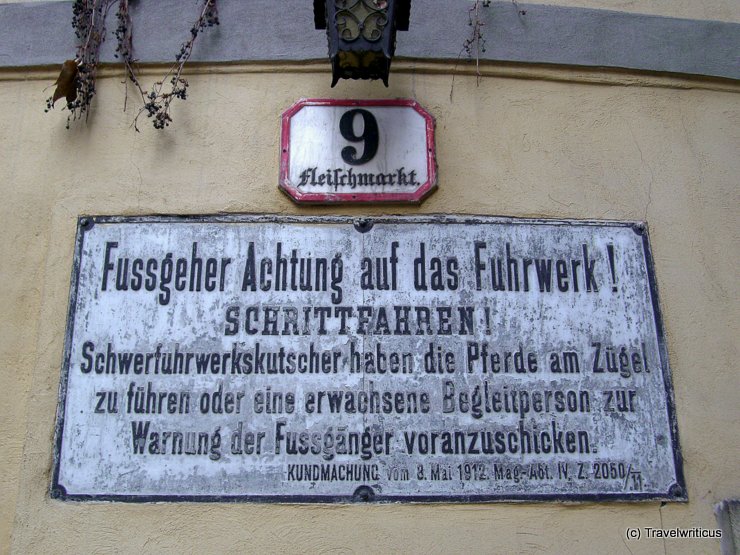
On my walk through Vienna, I came across this sign dating back to 1912. It asks horsemen of heavy horse-drawn wagons to walk next to the horses or to send an accompanying person ahead to warn the pedestrians.
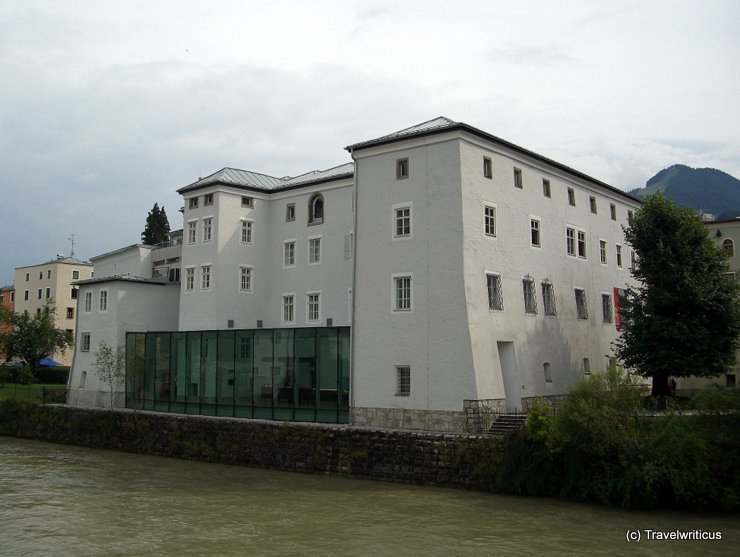
The Museum of Celts (Keltenmuseum) in Hallein describes the Celtic history in the area of the Austrian state of Salzburg. Another part of the museum tells the story of the salt mines in the region of Salzburg.
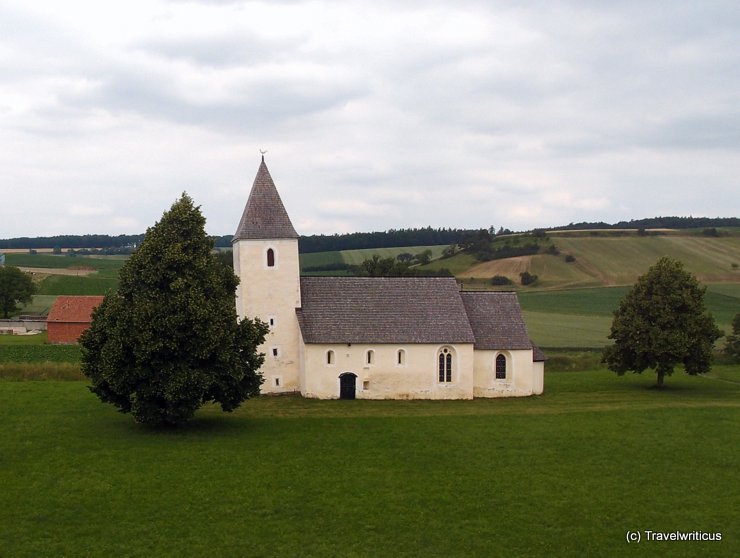
St. Martin is a Roman Catholic church in the Lanzendorf district of Böheimkirchen. First documented in 1248, the church has preserved its Romanesque architecture, standing prominently in an open field visible to travellers on the historic Westbahn railroad.
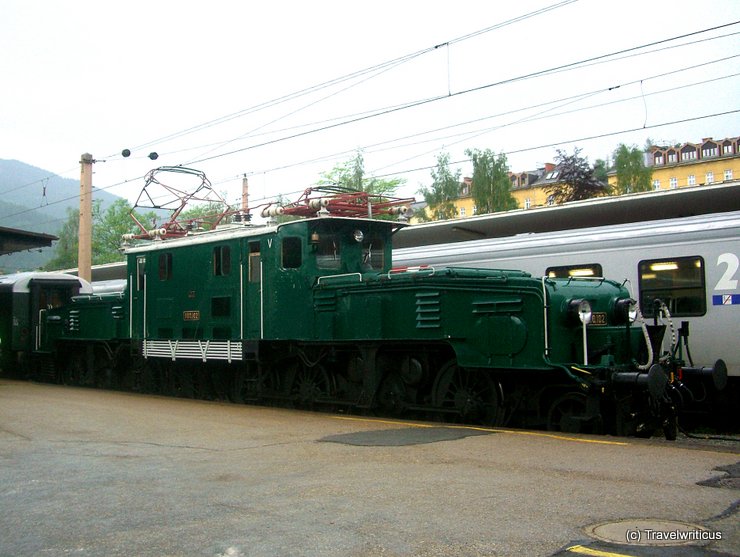
The BBÖ 1100.102 saw its construction in 1925/26. The nickname of these locomotives were “Austrian Crocodiles”. Those locos were generally used for driving heavy trains along the mountain routes in Austria. The displayed one still runs for heritage trains.
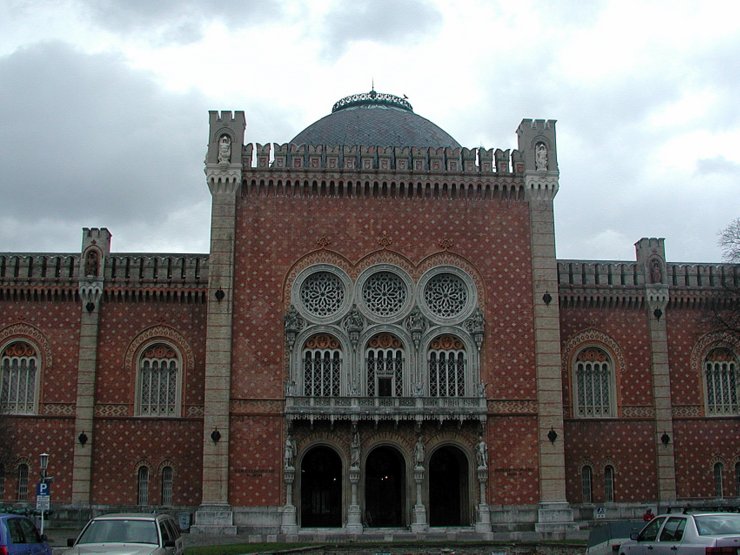
The Museum of Military History (Heeresgeschichtliches Museum) in Vienna is an architectural gem. So you find architecture in the style of Byzantine as well as Neo-Gothic. Some details may made you think of being in Venice.
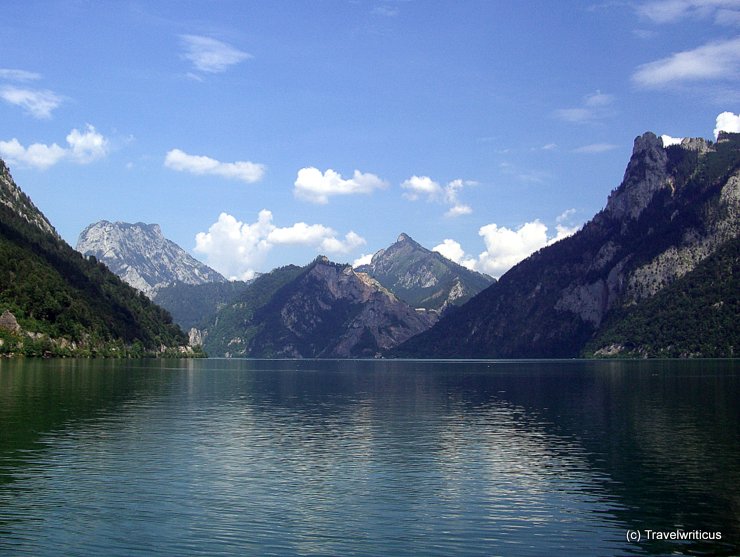
The Traunsee is the deepest lake in Austria (191 metres) and offers lovely views of high mountains and even an old castle set on a tiny island (Seeschloss Ort). You find this lake in the Salzkammergut region between Gmunden and Ebensee.
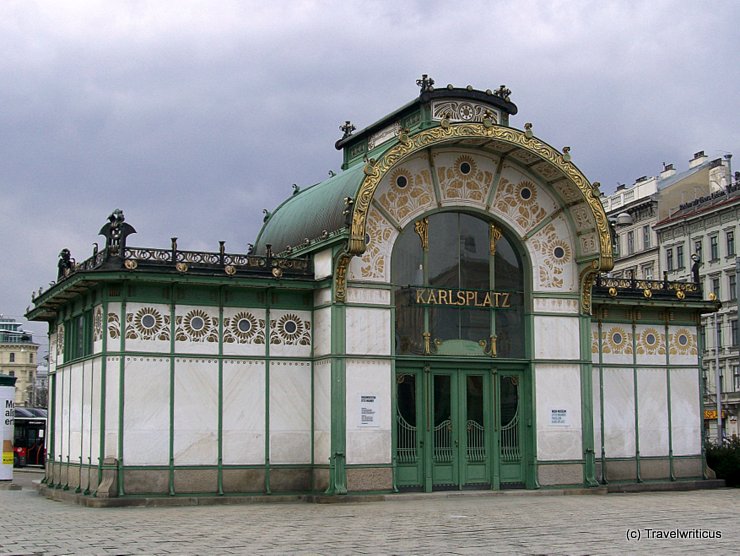
This Art Nouveau pavilion dates back to 1898. Architect Otto Wagner designed it as a station building for the Viennese Metropolitan Railway (Wiener Stadtbahn). Today, the Otto Wagner Pavillon houses a museum about this famous urban planner.
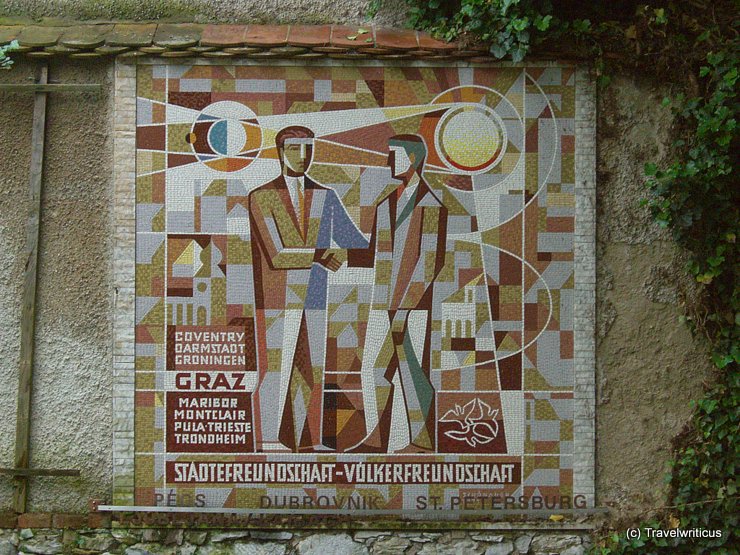
This mural tells about the Sister Cities of Graz. You find it near the Schloßberg Museum on top of the hill (Schloßberg) in the middle of the Styrian capital. Today, it isn’t up-to-date. For example, it doesn’t mention Ljubljana that joined this group in 2001.
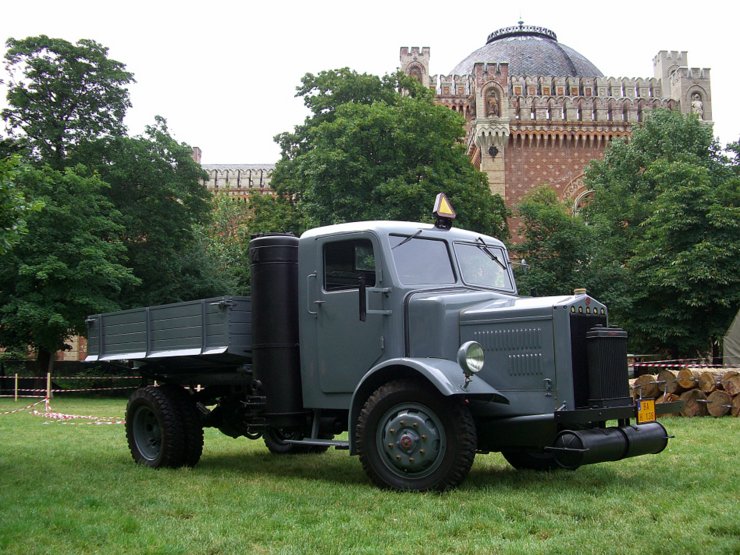
Wood gas driven automobiles remind us of times with fuel shortages, e.g. during and after World War II. This truck powered by wood gas is a still-running model displayed at a classic military car meeting on the grounds of the Vienna Museum of Military History.
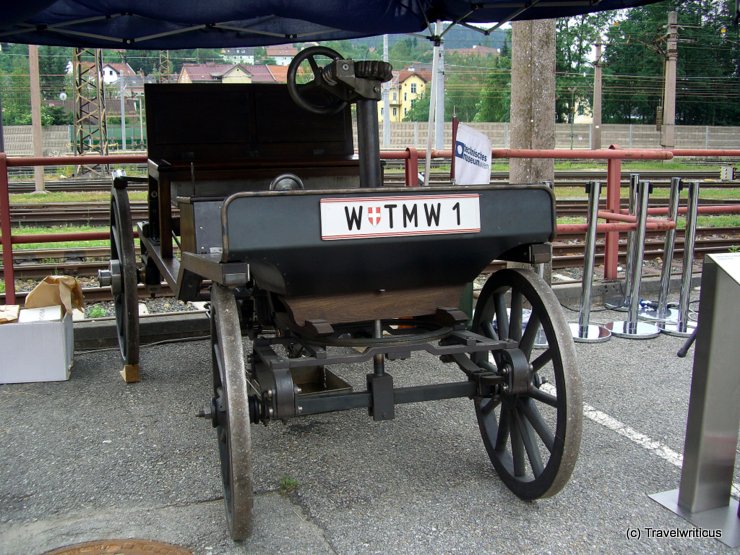
This pic shows an operating replica of the second car built by Siegfried Marcus. It formed an exhibit at a classic car meeting performed by the Südbahnmuseum in Mürzzuschlag. The original saw its construction in 1888/1889 and is still running too.