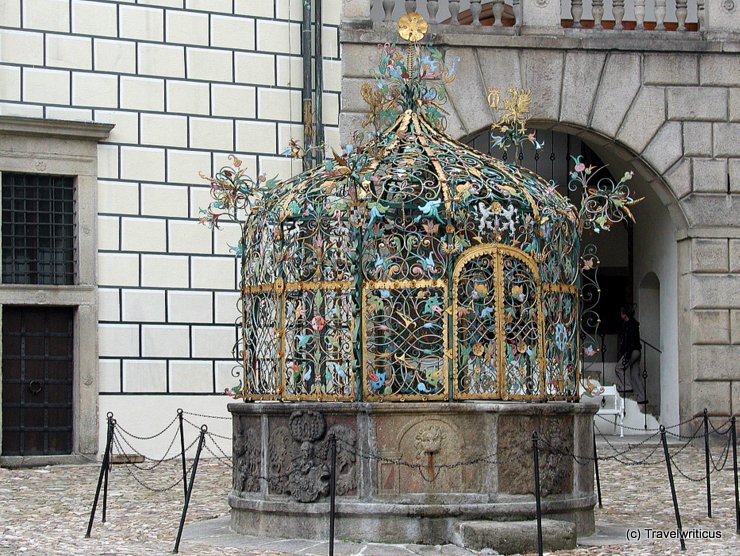
On my tour through the palace of Jindřichův Hradec, I came across this well. It looks like a piece from a fairy tale, doesn’t it? The castle is notable for a roundel, which is one of the principal works of the Bohemian Renaissance.
Browse through your travel destination!
On my tour through the palace of Jindřichův Hradec, I came across this well. It looks like a piece from a fairy tale, doesn’t it? The castle is notable for a roundel, which is one of the principal works of the Bohemian Renaissance.
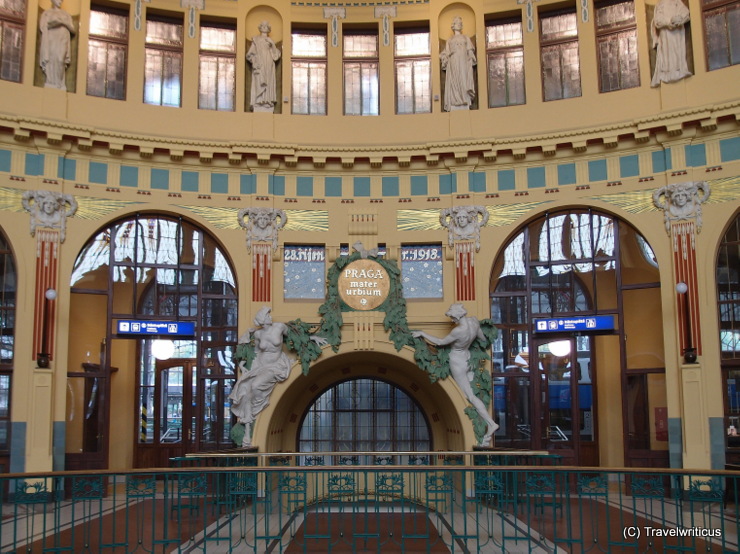
Following the signs to the old entrance hall of Prague Central Station leads to a gem of Art Nouveau. The nearby Fantova kavárna (Fanta Café) reminds visitors of the architect of this hall: Josef Fanta (1856-1954).
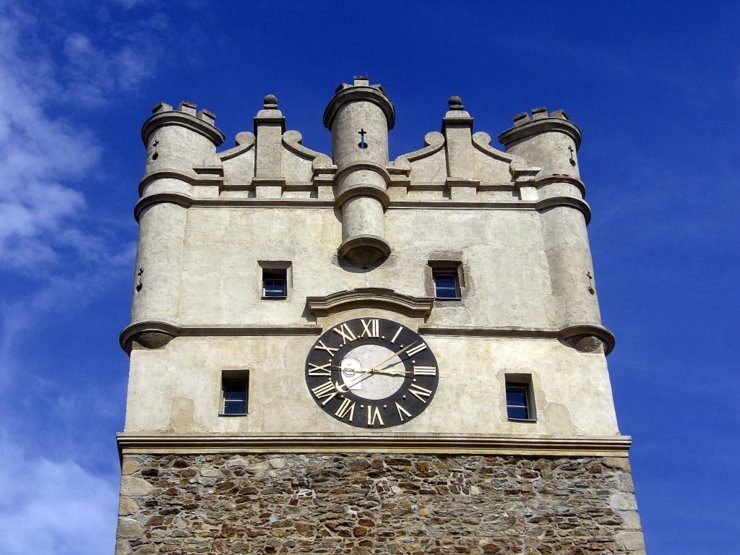
The Gate of Holy Mother (Brána Matky Boží) is the only one preserved from five medieval town portals in Jihlava. Its remarkable Renaissance crest was an add-on from 1564. Inside the gate, you’ll find an exhibition about the history of the Jihlava Fortress.
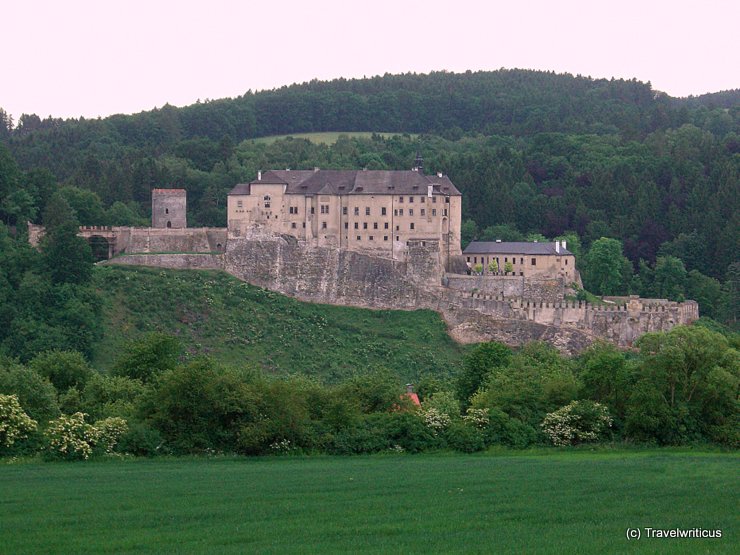
Český Šternberk Castle (Hrad Český Šternberk) is a castle of the mid-13th century and is considered one of the best preserved Gothic Bohemian castles. The castle offers a rare collection of 500+ copper engravings depicting the history of the Thirty Years’ War.
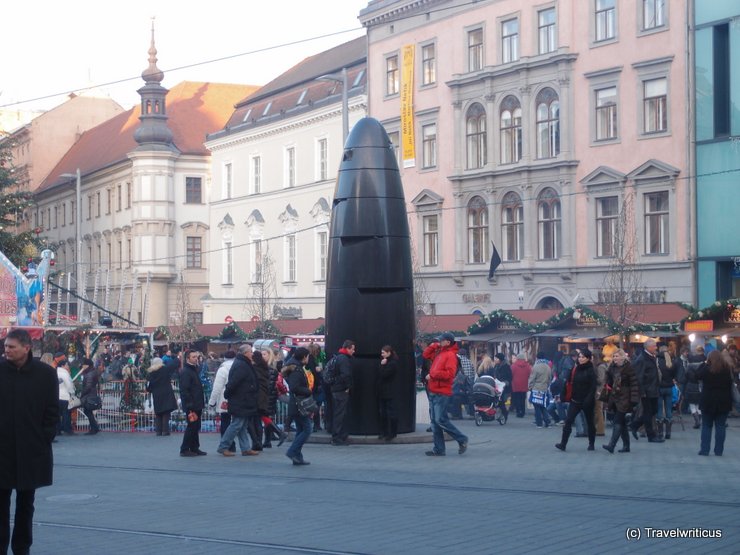
Even though many people call this an astronomical clock, it is just a clock. The clock refers to an episode of the Thirty Years War when the people of Brno ended a siege by pretending a wrong time of day.
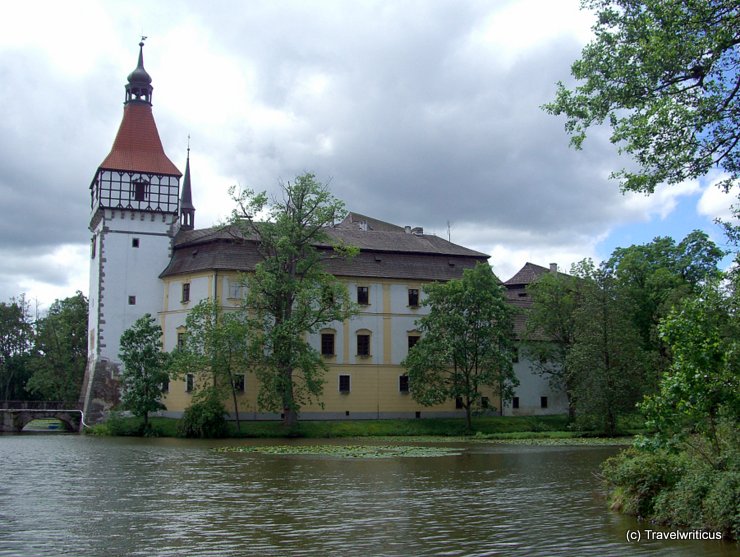
Blatná Castle (Zámek Blatná) dates back to 1235. The building with a moat stands next to an English landscape park. Visitors find salons in the styles of Oriental, Rococo and Empire. One room displays the connection between a former castle owner and Ethiopia.
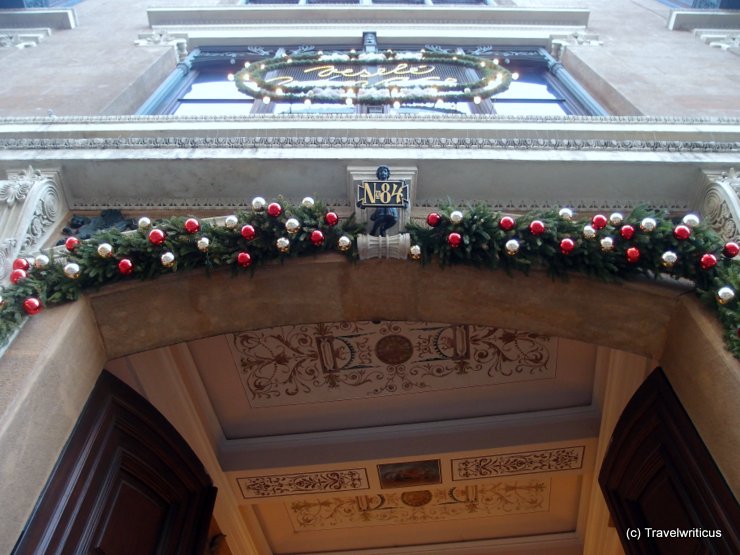
Suppose one dares to look through the open doors of buildings built in the 19th century, the prying passer-by often gets rewarded by seeing wonderful ceilings and staircases. For example, I saw this wonderful ceiling behind a door in the Czech city of Brno.

Austria and France signed an armistice in Zámek Slavkov (Slavkov Castle) on Dec 6th, 1805. At that time, the place and the mansion were known by the name Austerlitz. Therefore, French people know the combat as Battle of Austerlitz.
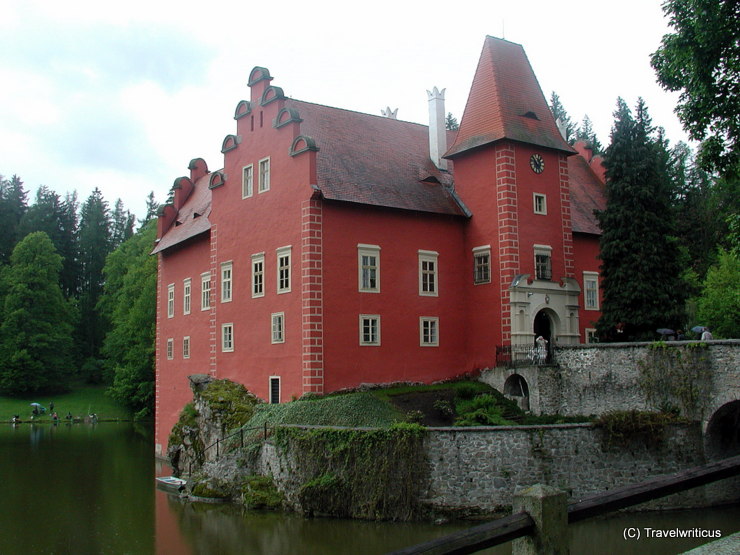
Červená Lhota Castle (Zámek Červená Lhota) in Pluhův Žďár in southern Bohemia is a Renaissance castle on a rock in the middle of an artificial pond. His former German name was Rothlhotta. Fans of fairy tale movies may know it as a film location.
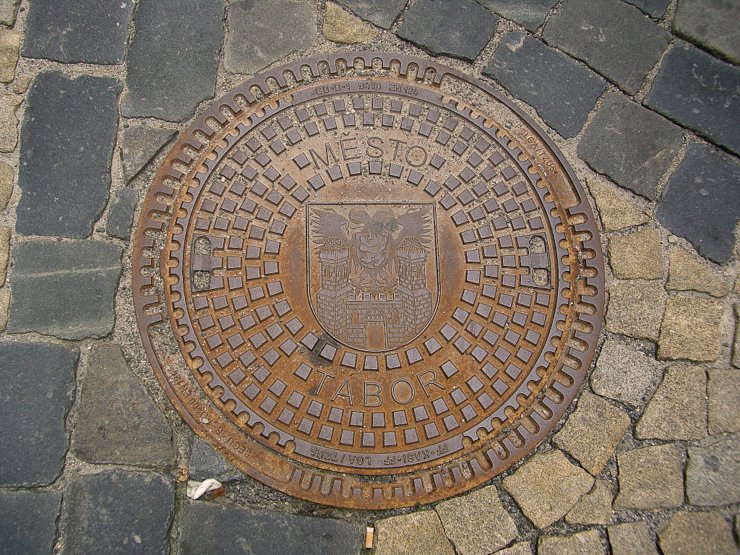
This manhole cover in Tabor displays the local city arms. Sigismund of Luxembourg granted this coat of arms in 1437. At that time, the Lion of Luxembourg was part of the inescutcheon. Today, you find the Bohemian Lion in the city’s arms.
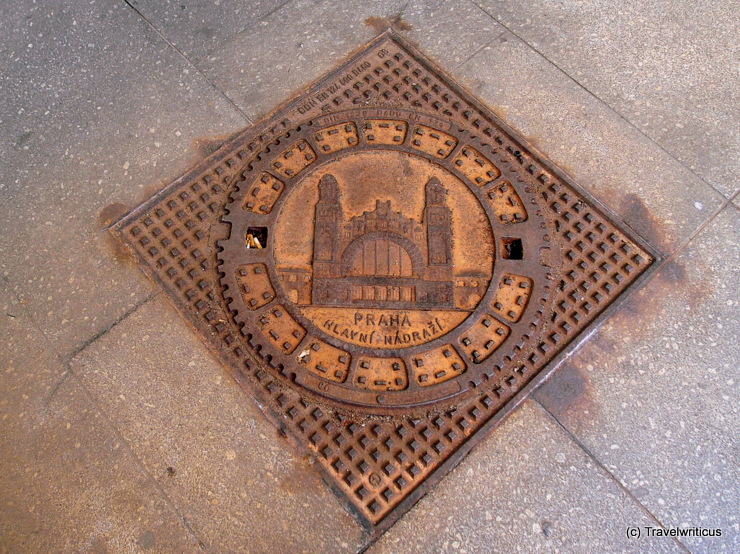
A sewer cover sometimes displays a building nearby. This manhole cover at Prague Main Railway Station gives an impression of the Art Nouveau entrance hall of the station.
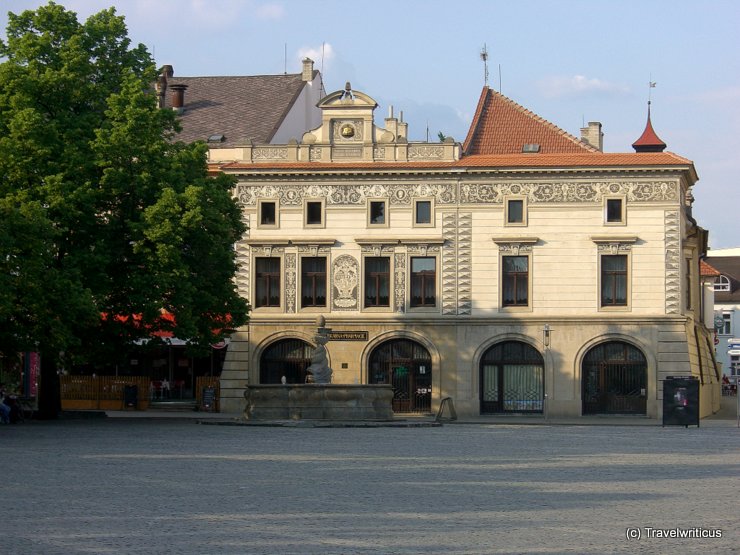
Friends of fabulous facades find this pharmacy on the market square of Uherské Hradiště, a town in the Moravian part of Czechia. The recent Renaissance facade dates back to the 19th century and covers two combined buildings.